


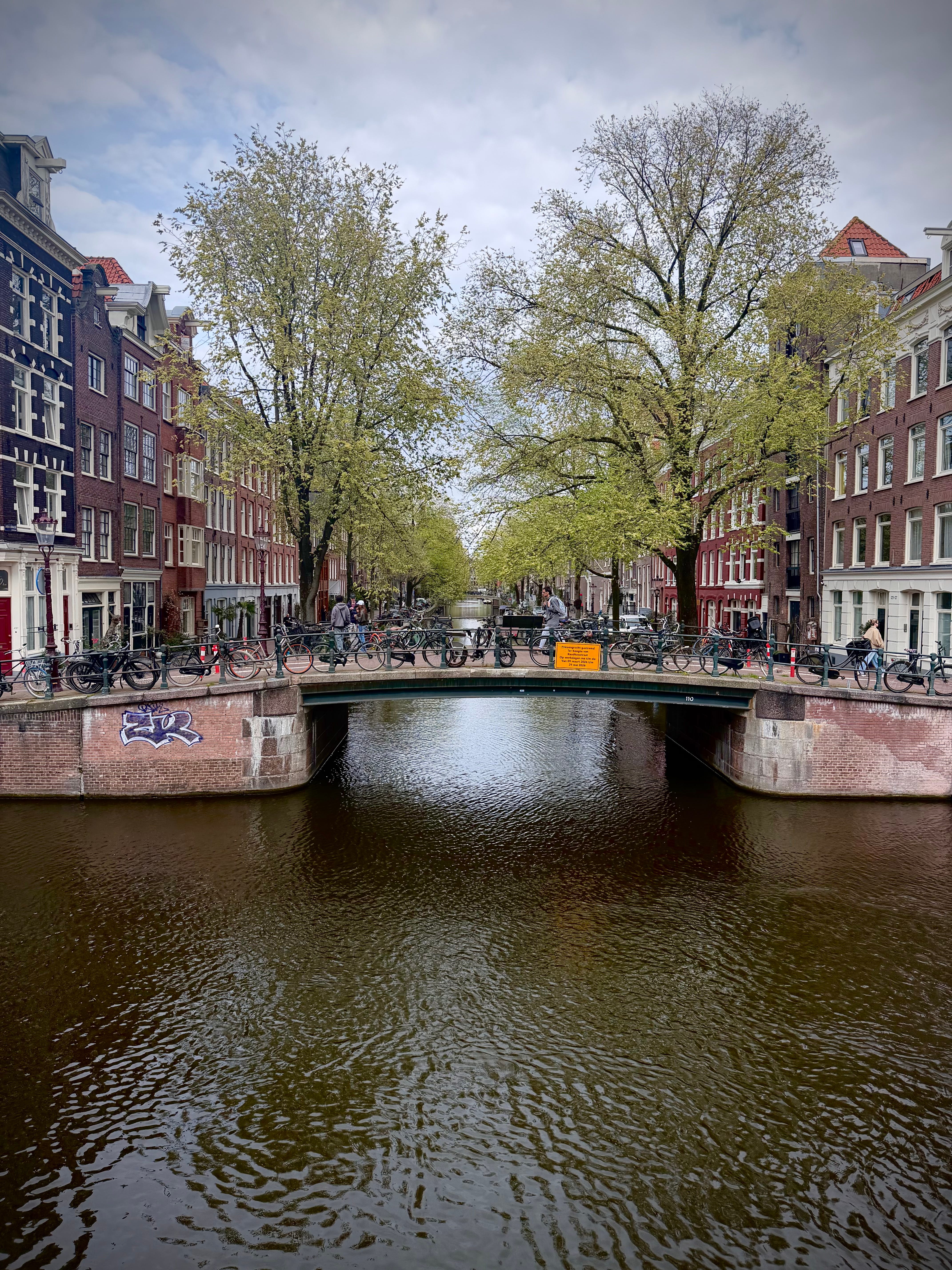
If the idea of SEO makes you want to run the other way, I understand.
For a long time, SEO was presented as a rigid set of rules, formulas, and tricks for pleasing Google. For food writers especially, it felt like you had to game the system to succeed, muting your unique voice and personality and pumping out cookie-cutter content that mimicked every other recipe site on the web.
I’ve never been interested in playing that game and I’ve talked to hundreds of food writers who share my aversion.
That understanding of SEO was always incomplete, and now it is even less useful than it used to be, thankgod.
Today, SEO is better understood as simply this: building bridges that help your readers find your work. For food writers, that means helping readers discover your recipes, stories, expertise, and perspective wherever they are searching—through search engines, Pinterest, AI answers, image-based search, social media, and newsletters.
The point is not to game the system. The point is to understand that it’s our responsibility as food writers to not only create good work, but to help our readers find it. Good SEO is not separate from good creative work. It is the part that helps the work connect.
In the simplest possible terms, SEO strategy has two steps:
Create the best content you can for your readers.
Help them find it.
I’m certain that you’re already doing the first part. It’s the second part that gets a bit tricky.
AI is reshaping how people search and generic content is easier than ever to produce. For food writers, I think that’s good news because readers (the very real people on the other side of the screen) are increasingly drawn to work that feels unmistakably human.
In HubSpot’s 2026 State of Marketing Report, nearly half of marketers said AI is making content so easy to produce that it is becoming less effective overall, while 63 percent said they need more unique, human content to stand out. To me, the takeaway is clear: your voice, your experience, your testing process, your photography, and your perspective are not extras. They are part of what people are looking for.
SEO Is More Art Than Science… But Please Don’t Ignore The Science
SEO used to be more science than art but over the past few years that’s reversed. To be clear, there are technical best practices that are essential to your work being found online. But beyond that, it’s about observation, strategy, experimentation, and figuring out how to meet your readers where they are.
The goal is not to follow someone else’s template. The goal is to develop your own understanding of what helps your work connect with the people who are looking for it.
What Has Changed About Search
Older SEO advice often rewarded sameness. Writers were encouraged to study top-ranking results and imitate them closely. That led to formulaic blog posts, recipes, and articles, copycat intros, and repetitive structures.
It also rewarded a lot of thin, low-value content whose only purpose was to capture search traffic. One of the clearest examples is the era of mass-produced “how to” articles answering the simplest possible questions—content designed to catch searches like how to peel a potato or how to slice a banana. That strategy generated huge page views for a while for the writers who were willing to create it. But it was never a sustainable long-term strategy. Now, when people ask basic questions, AI usually supplies the answer directly. Content built on that model becomes much easier to bypass and all those sites who built their entire growth strategy on that tactic are left with hundreds (or even thousands) of pages of content that no one is reading.
The safest long-term strategy is not to create more generic content. It is to create work that carries your voice, your point of view, and your real-world experience.
And isn’t that exactly the kind of work you want to produce?
I know I do.
Search systems are more sophisticated now. They are better at understanding language, context, images, video, and relationships between ideas. People are also searching differently. They ask longer, more conversational questions. They search with photos. They use AI tools to compare options, request substitutions, or refine what they want.
This means visibility is no longer just about ranking for one exact keyword in a list of blue links. Discoverability can happen in a recipe carousel, an AI-generated answer, a visual search result, Pinterest, Google Lens, a newsletter recommendation, or a social post that answers the right question at the right moment.
For food writers, this means that clear, useful, human-centered content has become more important, not less. It may seem counterintuitive, but the growing sea of AI generated content just might elevate human-created art as something worth seeking out.
How Search Engines Understand Your Content
Modern search relies heavily on natural language processing, or NLP. In practical terms, that means search engines are better able to understand language more like people do. They can recognize related phrases, interpret context, and distinguish between vague language and precise meaning.
NLP is why Google understands that “vegetarian curry” and “meatless curry” can be used to describe the same recipe. It’s how it knows that when you type “lemon cookies with butter” you’re probably looking for a recipe for shortbread. It’s why you can type disconnected phrases into search, filled with misspelled words, and Google will still usually know what you’re trying to find.
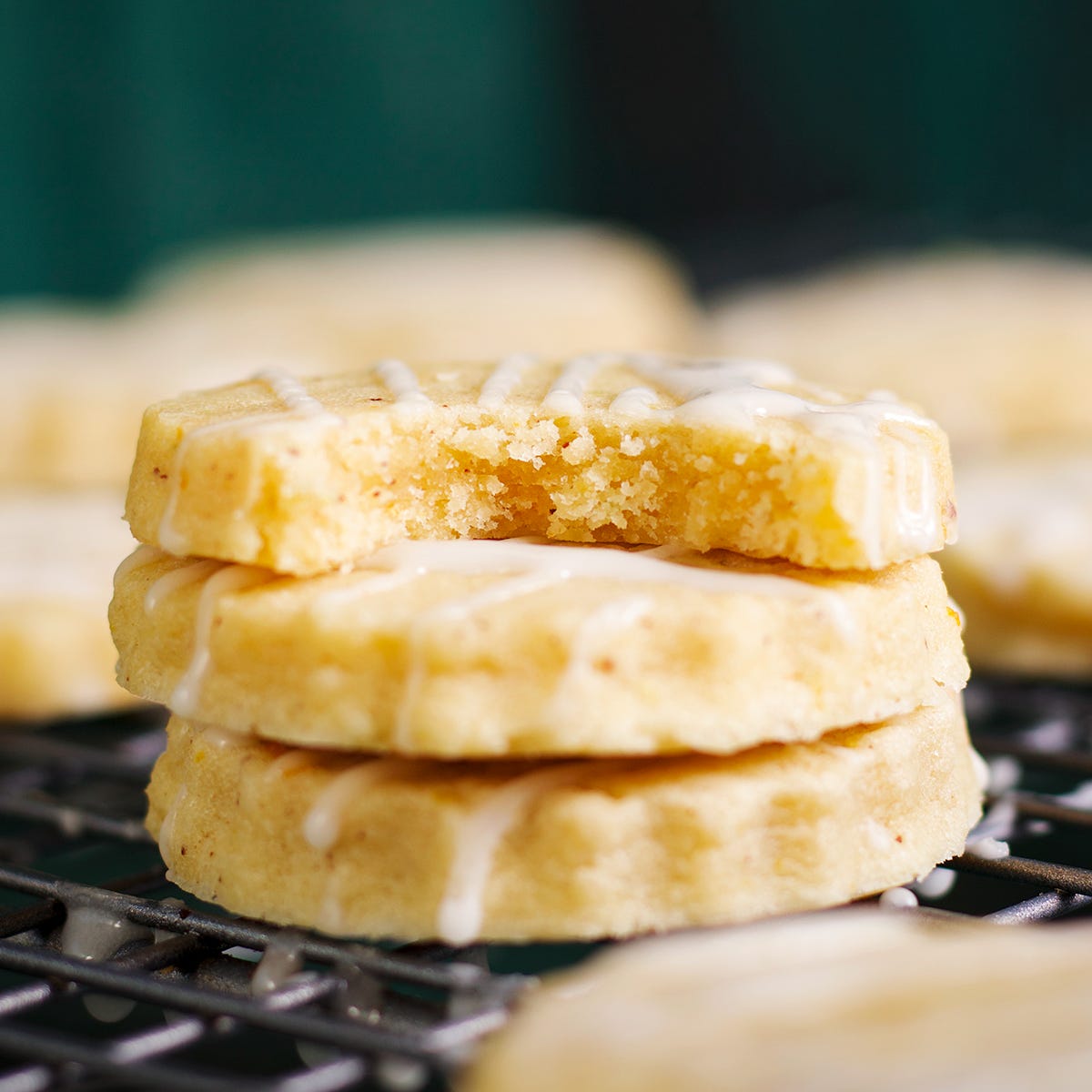
With this understanding, one of the best SEO strategies is to help your reader know immediately that they are in the right place. You can do this with carefully crafted headlines and thoughtful introductions that help readers know immediately that they’ve landed on what they were looking for.
Keyword research is still very important. But how you shape the context around those keywords is where the magic lies. Keyword research is about discovering clues about what readers are trying to solve, make, learn, or eat.
For recipe writers, this means answering some key questions through carefully crafted headlines, titles, and intros:
What type of ingredient is used?
What type of ingredient is not used?
What kind of cooking vessel is involved?
What meal type is this?
These questions help reveal the attributes that matter to readers. They also help you write with more clarity. A reader wants to know not just that a recipe is for muffins, but whether they are bakery-style, freezer-friendly, make-ahead, or topped with streusel. They want to know whether a chicken recipe is for thighs or breasts, whether it is a skillet dinner, whether it suits a weeknight, and whether leftovers hold up well.
That specificity improves the experience for readers and gives search systems stronger signals about what the content actually is.
In practical terms, this kind of research does not have to be overwhelming. A tool like KeySearch can help you see how often a phrase is searched and how competitive it is and the other phrases people are using to search for a specific recipe or topic.
The Rise of Multimodal Search
We live in a multi-media world and search now includes text, image, video, and voice. Google and other AI systems are getting better and better at interpreting these signals together.
A person might snap a photo of a restaurant dish and search for a homemade version. Someone else might upload a screenshot and ask for a dairy-free variation. Another user may search visually for recipes similar to a dish they have seen online.
That means the visual side of food writing matters in new ways. Descriptive file names, helpful alt text, accurate captions, process shots, and instructional video all support discoverability. They also support readers directly by making your content easier to follow and understand.
Food writing has always been visual. Now those visuals are part of how search systems interpret your work too.
A Layered Model For SEO
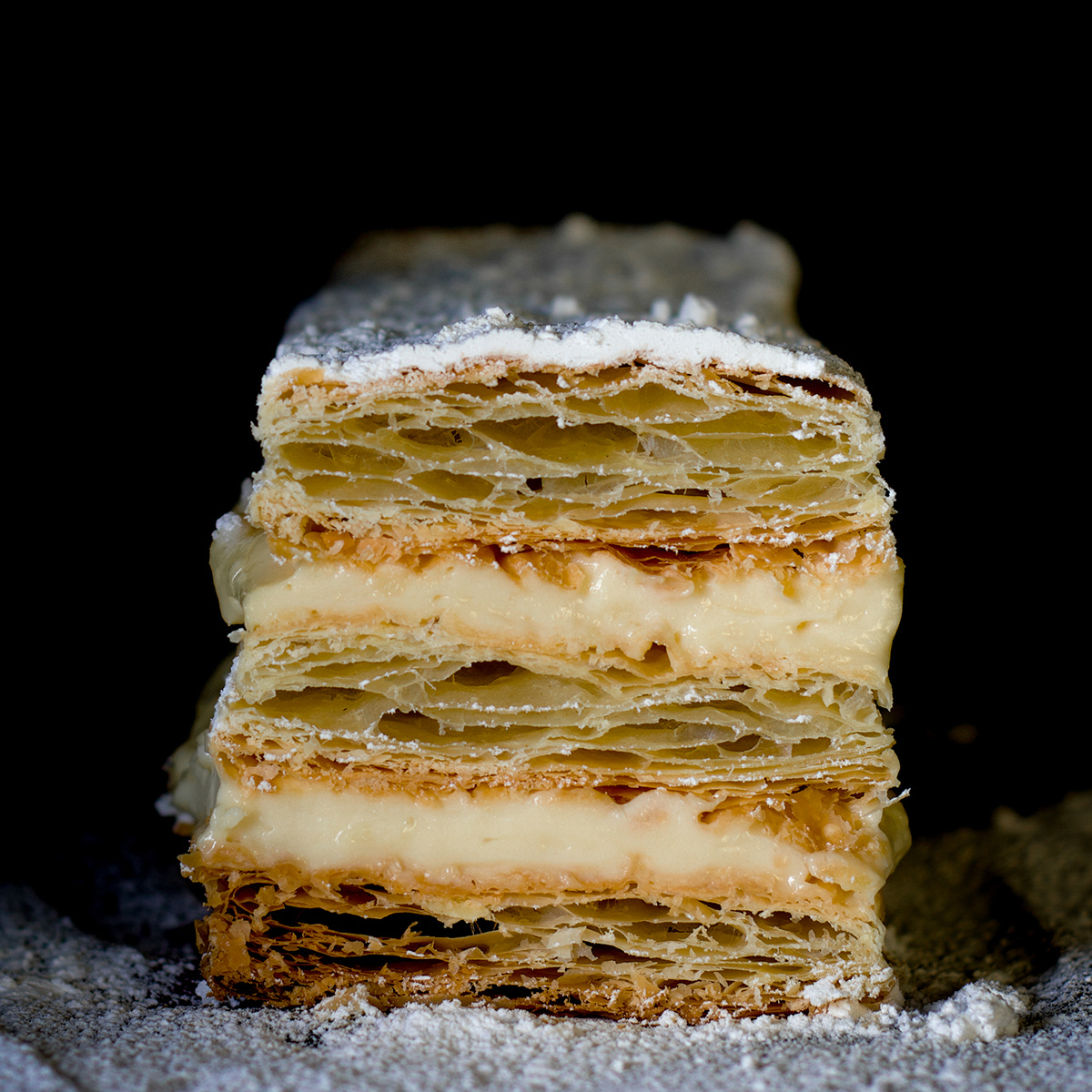
One useful way to think about SEO is as a layered system rather than a single tactic.
At the foundation is your brand. Brand is not just your logo, fonts, or colors. It is your perspective, your expertise, your values, and the throughline that makes your work uniquely yours. It shapes what you publish, how you frame recipes, what kinds of stories you tell, and why readers return to you instead of someone else.
On top of the brand, we want to layer clear, NLP-friendly writing for humans. This is the language that helps readers and search systems understand your content quickly. It includes strong titles, specific introductions, descriptive subheadings, and useful supporting copy.
Layer in some visuals: hero images, process shots, and video. These help clarify the recipe, demonstrate method, build trust, and support discovery across visual platforms and multimodal search experiences.
And then there’s the layer that ties everything together: personal insight and lived experience. This is the texture that generic AI-generated content struggles to replicate. It includes your personal experience, the lessons you learned while testing, why a technique works, what can go wrong, and the small details that make a reader trust you.
A Better Way to Think About SEO
For food writers, SEO is not about tricking an algorithm. It is about clarity, usefulness, and connection.
It asks you to understand your audience, communicate what your content is with more precision, and present your work in a way that helps both people and platforms recognize its value. It rewards brand clarity, strong writing, thoughtful visuals, and lived experience.
In an AI-shaped landscape, that kind of humanity is not a weakness. It is the advantage.
Your audience is looking for you. The future of SEO for food writers belongs to people who create something real and know how to present their work in a way that helps their readers find it. In other words, they understand that their responsibility is not only to create good work. It is also to build the bridge.
Think of this as meeting your reader where they are. The more clearly you communicate what your work is, who it is for, and why it matters, the easier it becomes to build that bridge.
And that, really, is the job.
SEO for Food Writers
In this hands-on workshop, food writers will learn to think about SEO not as a technical burden, but as a way of building bridges from their work to their readers. Because that’s exactly what good SEO is: paths that meet readers where they are and lead them back to you.
Instructor: Rebecca Blackwell
Part 1: Learn. The first session will be a recorded instructional workshop with an in-depth homework assignment to help you put the material into practice.
When: October 15, 12pm-1:30pm CST
Part 2: Implement. Bring your homework, your questions, your roadblocks, and your challenges. Together, we’ll review what you’ve implemented, troubleshoot challenges, exchange ideas, and get thoughtful feedback from both the instructor and other food writers working toward similar goals.
When: October 22, 12pm-1:30pm CST